
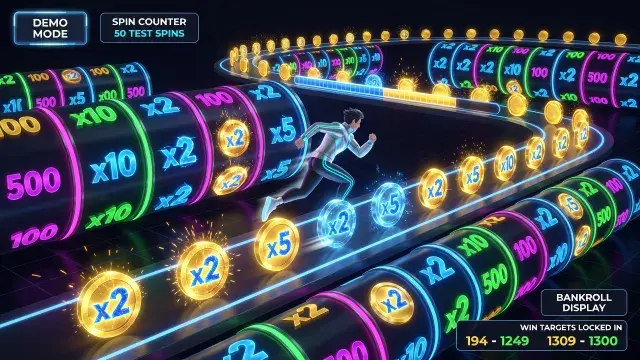
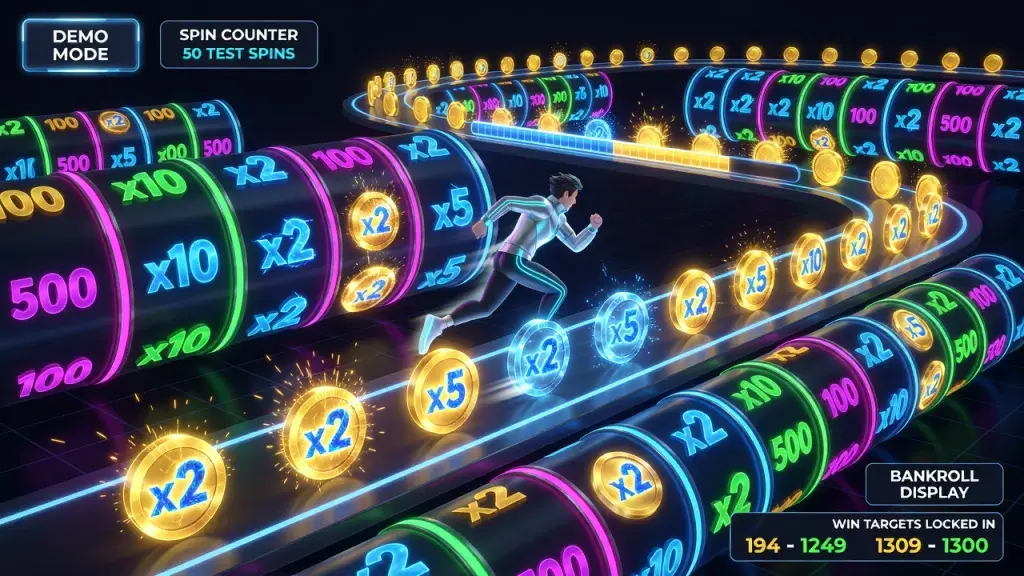
A single coin animation can tell you more about a slot's mechanics than an entire paytable page. Watch how the symbol lands, how it glows, whether it triggers a chain reaction - that's where the real information lives. Coin collect games have quietly become one of the most durable formats in modern slot design, and the reason is simple: they translate an old arcade instinct, the joy of scooping up loose change while running through a level, into a mechanic that rewards attention rather than luck alone.
This format works because it borrows pacing from platformers rather than static reel games. The running gameplay creates forward momentum - each spin feels like a step deeper into a level rather than an isolated event. Power coins are the accelerant in that structure: they multiply, combine, or unlock bonus paths depending on how the title implements them. Before risking a deposit, most experienced players test the mechanics through the 3 power coins running wins demo, which shows exactly how coin values escalate without spending real funds. That single test run often reveals more about volatility than a written description ever could.
What follows is a practical breakdown of how these systems actually function - how demo mode works as a diagnostic tool, how a winning streak forms mathematically rather than mystically, and how to read a coin collect game the way a mechanic reads an engine.
Understanding Power Coins as a Game Mechanic
Power coins are not decorative. They exist as a distinct symbol class with rules separate from standard paying icons, and understanding that separation is the first step toward reading any coin-based title correctly.
What Makes a Coin "Powered"
A standard coin symbol usually pays a fixed value or contributes to a collection meter. A power coin typically carries an added function - it might multiply nearby coin values, convert into a higher denomination, or trigger a secondary event like a chase sequence or bonus round. The distinction matters because two coins with identical artwork can behave completely differently once one is flagged as "powered" by the game's internal logic.
How Power Coins Interact With the Reels
Most titles place power coins on specific reel positions or activate them through a random overlay trigger. Once active, they often stay "live" for a set number of spins, during which any coin landing nearby inherits a boost. This creates short windows of heightened opportunity - moments where the running gameplay speeds up because the player is chasing a temporary multiplier rather than waiting passively for a payline.
Reading Coin Values Correctly
Coin values are usually expressed as a multiple of the base bet rather than a flat cash figure. This means the same power coin can represent a small pickup on a minimum bet or a substantial sum on a higher stake. Players who ignore this distinction often misjudge a session's actual volatility.
- Standard coins: fixed or low-variance payout, no secondary effect
- Power coins: multiplier or conversion effect, often time-limited
- Jackpot-linked coins: rare tier that feeds a separate collection meter
Running Gameplay Explained
The "running" framing isn't just visual flavor. It changes how players perceive risk and pacing compared to a static five-reel game.
Why the Running Format Feels Different
Running gameplay borrows structure from endless-runner arcade design: forward motion, obstacles, and pickups arranged along a path. In a slot context, this usually means the reels are dressed as a track or route, and each spin advances the player's avatar or progress marker. The effect is psychological as much as mechanical - motion implies progress, and progress implies momentum, even when the underlying math is identical to a traditional format.
Pacing and Spin Rhythm
Because running gameplay is built around continuous advancement, spin rhythm tends to feel faster. Bonus triggers often appear as obstacles or checkpoints along the track rather than abstract scatter combinations, which makes the mechanic easier to follow for players who find traditional bonus tables confusing.
Risk Perception in Motion-Based Formats
Movement can distort risk perception. A player watching an avatar sprint past obstacles may feel more engaged and less cautious than one watching static reels spin. Recognizing this is useful - the underlying return-to-player percentage doesn't change because the presentation is kinetic.
Demo Mode: Purpose and Practical Use
Demo mode exists for one reason: to let players study mechanics without financial exposure. Treating it as a diagnostic tool rather than a novelty changes how useful it becomes.
What Demo Mode Actually Simulates
In almost every legitimate implementation, demo mode runs the identical random number generation logic and paytable as the real-money version. The only difference is the currency - credits instead of cash. This means volatility patterns, coin frequency, and bonus trigger rates observed in demo play are representative of what a real session would produce over a comparable sample size.
How to Test Coin Frequency in Demo Mode
Run a fixed number of spins - fifty is usually enough for a rough read - and track how often power coins appear, how often they combine, and how large the resulting collection meter grows. This gives a far more concrete picture than marketing copy or a paytable summary.
When Demo Mode Stops Being Useful
Demo mode can't tell you anything about withdrawal speed, bonus wagering requirements, or how a title behaves under real financial pressure. It's a mechanics test, not a full simulation of the real-money experience. Treat it accordingly.
Building and Sustaining a Winning Streak
A winning streak in a coin collect game is a statistical event, not a skill demonstration, but that doesn't mean players are powerless to manage it well.
The Mathematics Behind Streaks
Every spin is an independent event. A streak of five consecutive coin hits doesn't increase or decrease the odds of a sixth. What changes over a session is variance exposure - the longer you play, the more likely you are to experience both hot and cold clusters purely by distribution, not because the game is "due" for anything.
Bankroll Discipline During a Hot Run
The biggest mistake during a winning streak is escalating bet size beyond a pre-set plan. A disciplined approach locks in a portion of gains before continuing, which protects the session from a single downturn erasing the entire streak's value.
Recognizing When a Streak Is Ending
There's no reliable in-game signal that a streak is concluding - coin collect games don't broadcast variance shifts. The only defensible strategy is a predetermined stop-loss or stop-win threshold decided before the session begins, not adjusted emotionally mid-run.
- Set a win target before starting the session
- Bank a fixed percentage of any streak-driven gains
- Avoid increasing bet size purely because of recent hits
Mastering the Coin Collect Game Mechanic
Once the individual pieces - power coins, running gameplay, demo testing, streak management - are understood separately, mastering the format means combining them into a coherent session strategy.
Reading the Collection Meter
Most coin collect games display a visible meter that fills as coins accumulate, often unlocking a bonus feature at full capacity. Watching the fill rate during demo play tells you roughly how many spins a full cycle requires, which helps set realistic session-length expectations.
Timing Sessions Around Feature Density
Some titles cluster power coin appearances in specific reel configurations tied to bet level or active bonus modes. Adjusting bet size slightly, within a controlled bankroll plan, can sometimes shift how frequently the collection meter progresses - though this should be verified in demo mode first rather than assumed.
Common Mistakes Players Make
The most frequent error is confusing coin frequency with actual return. A game can produce coins often while paying modestly per hit, and volatility calculations only make sense when frequency and value are considered together, not separately.
Frequently Asked Questions
Do power coins always increase in value the longer a streak lasts?
Not automatically. Some titles scale coin value with consecutive hits, but many reset the multiplier once a spin misses. Check the specific game's rules rather than assuming escalation is universal.
Is demo mode representative of real money odds?
Yes, in legitimate implementations the underlying random number generation and payout structure are identical between demo and real-money play. The only meaningful difference is that no real currency is at stake.
Can running gameplay formats be more volatile than traditional slots?
Volatility depends on the paytable and coin distribution, not the visual theme. A running-format title can be low, medium, or high volatility just like any standard slot; the motion-based presentation doesn't inherently change the math.
How long should I test a game in demo mode before playing with real funds?
A batch of at least fifty spins gives a reasonable initial read on coin frequency and bonus trigger rate. Longer sessions of one hundred or more spins provide a more stable picture of the game's typical behavior.
Should I chase a winning streak by increasing my bet size?
No. Increasing bet size mid-streak raises exposure right when a downturn is statistically just as likely as continued success. A fixed betting plan decided before the session protects gains more reliably than reactive escalation.
Why do some coin collect games feel faster-paced than classic slots?
The running gameplay framing creates a sense of forward progress through visual motion and checkpoint-style bonus triggers, which speeds up perceived pacing even when the actual spin frequency is comparable to traditional formats.

